An HMO, or Health Maintenance Organization, is designed to keep costs low and predictable. With one doctor to coordinate your care, an HMO health plan is easy to use and may be just what you’re looking for. An HMO health plan offers:
Need hourly care?
Your local team of Client Care Managers are on call 24/7 to answer your questions and work with you to design a customized plan of care that is right for you.
Pros and Cons of Health Maintenance Organizations (HMOs)
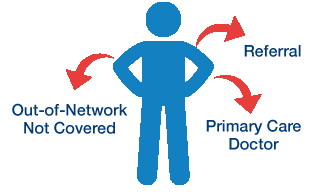
An HMO health plan is care personalized to meet your needs. Your primary care doctor, or PCP, gets to know you, your health history and your family’s health history and how it may affect your health. Think of them as your personal care doctor.
PCPs can be doctors who practice:
Out of Network Services

Are prescription drugs covered in Health Maintenance Organization (HMO) Plans? In most cases, prescription drugs are covered in HMO Plans. If you want Medicare drug coverage (Part D), you must join an HMO Plan that offers prescription drug coverage. Ask an Agent! If you join an HMO plan without drug coverage, you can’t join a separate Medicare drug plan.

Do I need to choose a primary care doctor in Health Maintenance Organization (HMO) Plans?
In most cases, yes, you need to choose a primary care doctor in HMO Plans.
